The “Good Enough” Epidemic: Why Craft Separates Memorable Work from Sameness
AI generators and generic component templates make it effortless to produce baseline digital work. When everyone can ship average UI in hours, obsessive craft is your only moat.

Never in the history of software development has it been cheaper or faster to assemble a functional web application. Pre-built component libraries, CSS frameworks, and AI scaffolding tools have reduced the barrier to entry to near zero.
Yet the internet has never felt more homogenous. Every SaaS website uses the same gradient pills, identical sans-serif typography, and cookie-cutter pricing cards.
When 'good enough' is automated, human taste, typography obsession, and fluid interaction physics are the only true differentiators left.
The Commodity Trap
Software that looks and feels like everything else is treated like a commodity. Customers compare you on price rather than value because nothing about the experience leaves an emotional imprint.
The Compounding Return of Polish
Intentional micro-animations, tactile feedback, carefully calibrated typographic hierarchy, and responsive fidelity signal exceptional care. Users intuitively assume that a team that cares deeply about the corner radius of a button also cares deeply about data security, uptime, and customer support.
Listen to the Functional Branding Podcast
A deep-dive conversation between our creative directors and frontend leads on bridging the gap between brand identity and software execution.
Episode #14: Experience Over Campaigns
24 mins · NILMOTECH Design Radio
More Perspectives
Related posts

Your Brand Isn’t Static—It Lives in the Experience
How the NILMOTECH Functional Branding Method Builds Stronger Brands Through Product, Not Just Campaigns
How Do You Evaluate a UX/UI Design Partner Beyond the Portfolio?
A practical scorecard for growth-stage leaders covering technical depth, team continuity, outcomes, and the questions that separate partners from vendors.
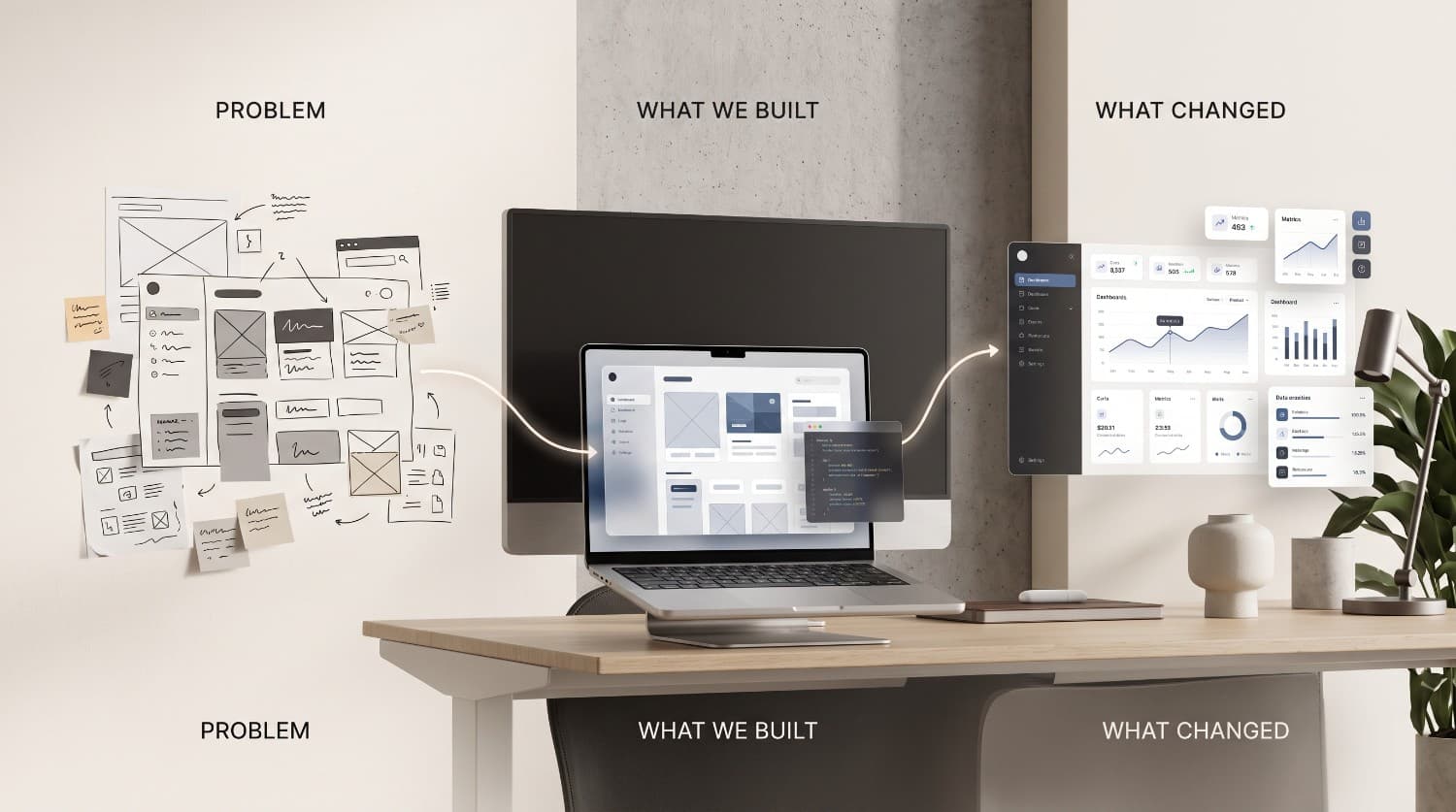
From Frames to Function: Why We’re Designing Less in Figma—and More in the Browser
Static canvas tools hide responsive realities and layout physics. Here is how direct-in-browser prototyping shortens design cycles and protects craft.