Webflow vs. Custom Next.js: Choosing the Right Platform to Scale Without a Ceiling
No-code builders help teams launch fast, but custom React architecture gives scaling brands the flexibility to grow without hitting platform roadblocks.

When launching or revamping a marketing site, growth teams usually face a fork in the road: choose a visual no-code builder like Webflow or invest in a custom Next.js/React architecture.
Both paths have legitimate merits. The mistake is picking a solution based on short-term speed alone without evaluating the technical ceiling you will encounter 12 to 18 months down the line.
When Webflow Wins
Webflow excels for early-stage validation, standalone landing pages, and marketing teams that need total independence from developers for simple content updates.
When Next.js Becomes Inevitable
The moment your marketing site needs deep integration with an authenticated product app, personalized onboarding logic, custom CMS workflows, or ultra-fast sub-second Core Web Vitals across millions of pages, visual site builders hit their wall.
“A custom Next.js stack with headless content orchestration gives high-growth companies an infinite ceiling.”
Listen to the Functional Branding Podcast
A deep-dive conversation between our creative directors and frontend leads on bridging the gap between brand identity and software execution.
Episode #14: Experience Over Campaigns
24 mins · NILMOTECH Design Radio
More Perspectives
Related posts
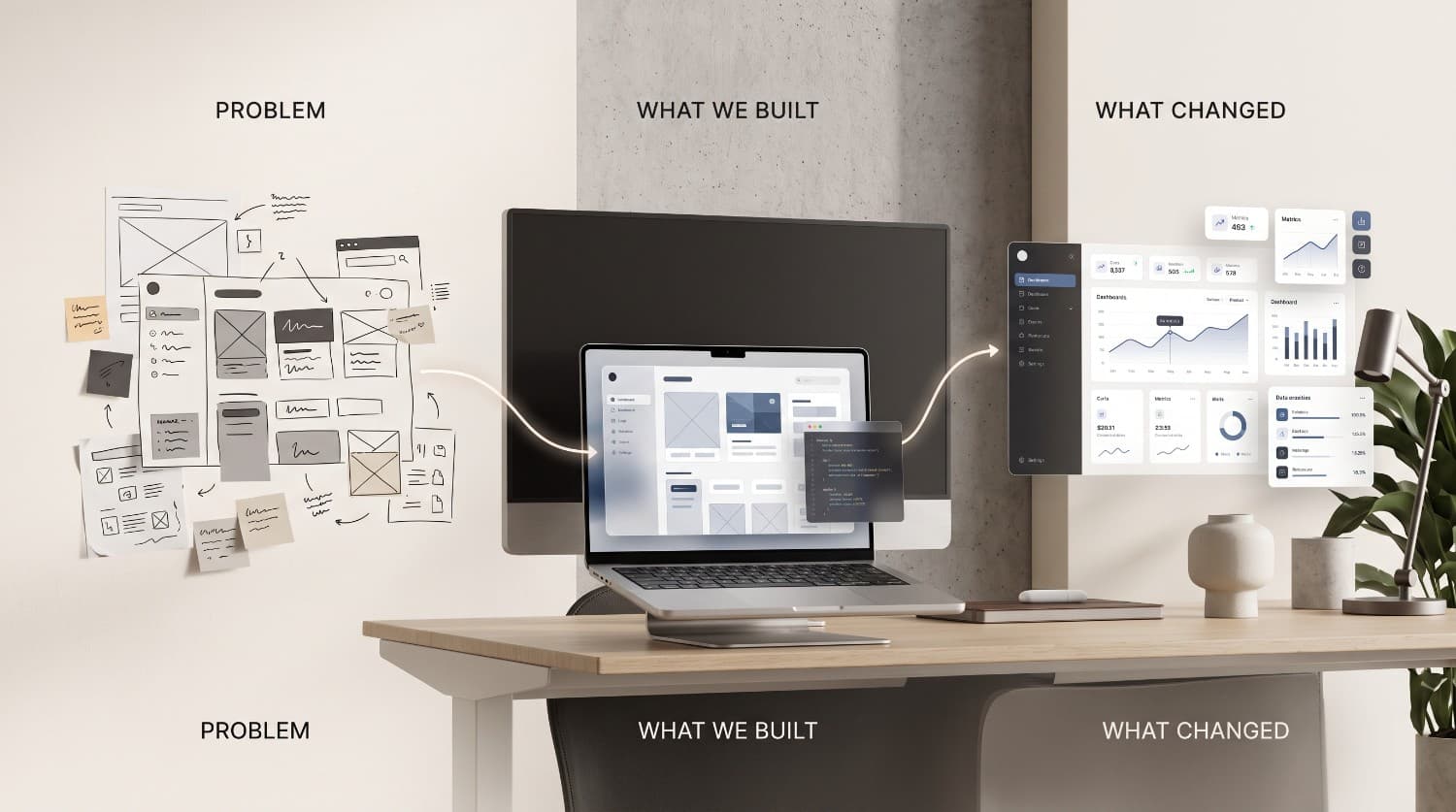
From Frames to Function: Why We’re Designing Less in Figma—and More in the Browser
Static canvas tools hide responsive realities and layout physics. Here is how direct-in-browser prototyping shortens design cycles and protects craft.
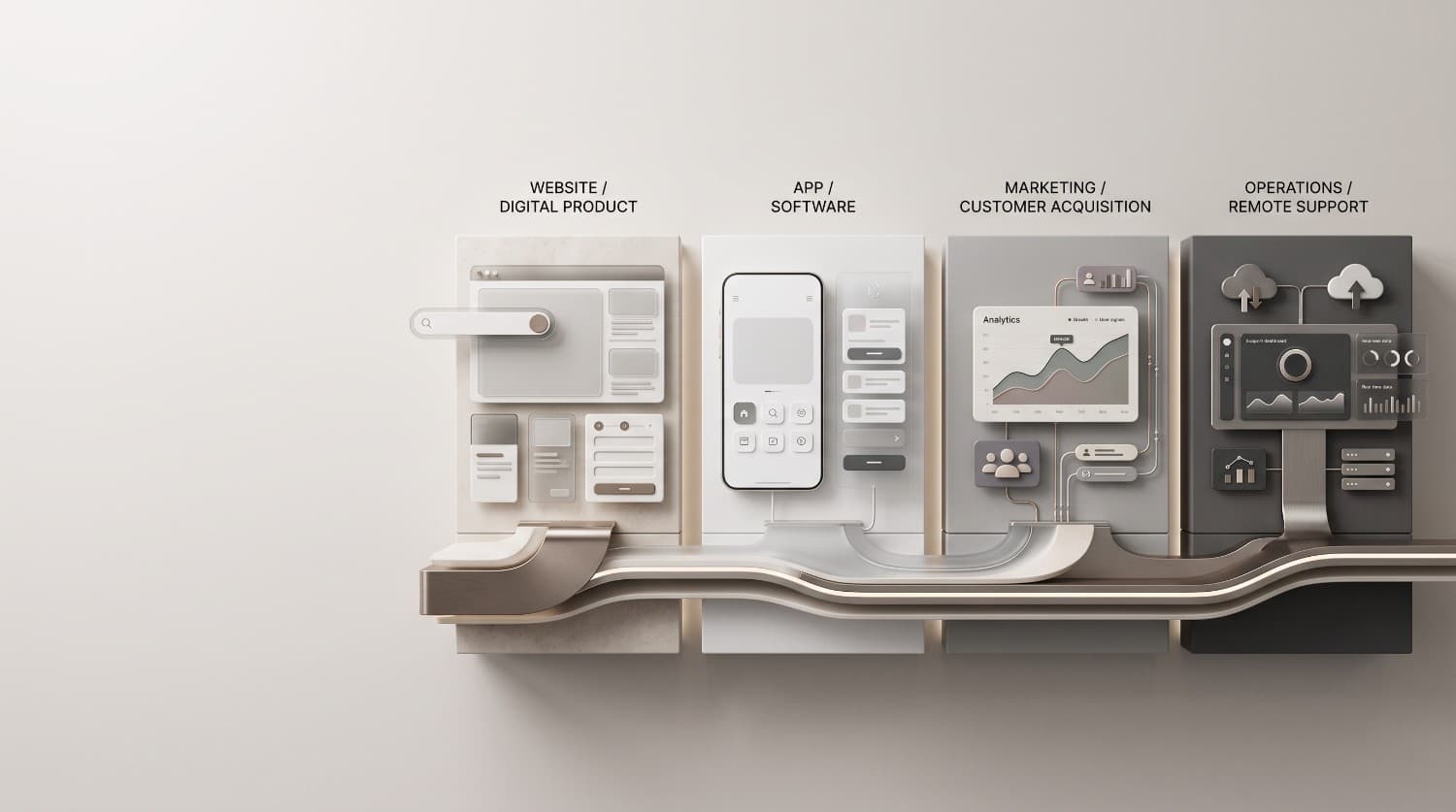
Redesign vs Optimize: A Decision Framework for Product and Website Teams
Not sure whether to burn it down or tune what you have? Use this data-informed decision matrix based on user signals, not internal fatigue.

Your Brand Isn’t Static—It Lives in the Experience
How the NILMOTECH Functional Branding Method Builds Stronger Brands Through Product, Not Just Campaigns