AI Product Design Best Practices for 2026: Clarity, Trust, and Flow
Designing intelligent software requires moving past chat bubbles into ambient interfaces, transparent confidence indicators, and human-in-the-loop controls.

The first wave of AI products slapped a chat box on top of everything. In 2026, the chat window is quickly becoming the new command prompt—powerful for open-ended queries, but inefficient for focused productivity.
The leading AI interfaces today integrate generative intelligence directly into context: inline suggestions, proactive automations, and intuitive undo states that respect user autonomy.
From Chatbots to Canvas Workflows
Modern AI users don't want to converse with a bot; they want to accomplish complex tasks faster. Canvas-style interfaces that render editable artifacts alongside conversational context empower users to steer model outputs with precision.
Calibrated Trust and Feedback Loops
Users trust systems that are transparent about confidence levels. Designing clear citations, diff views, and instant revert shortcuts turns hesitant users into confident operators.
Listen to the Functional Branding Podcast
A deep-dive conversation between our creative directors and frontend leads on bridging the gap between brand identity and software execution.
Episode #14: Experience Over Campaigns
24 mins · NILMOTECH Design Radio
More Perspectives
Related posts

Your Brand Isn’t Static—It Lives in the Experience
How the NILMOTECH Functional Branding Method Builds Stronger Brands Through Product, Not Just Campaigns
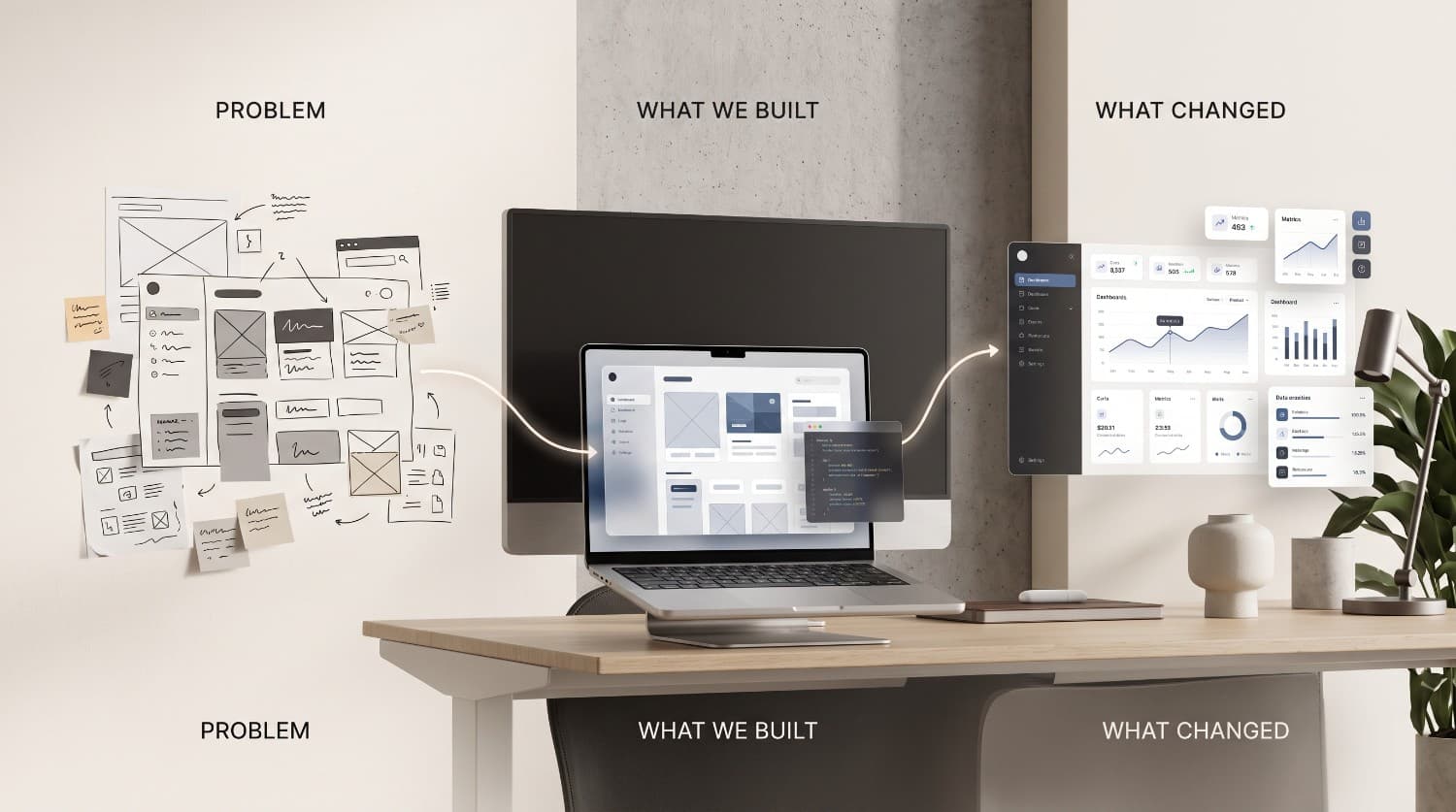
From Frames to Function: Why We’re Designing Less in Figma—and More in the Browser
Static canvas tools hide responsive realities and layout physics. Here is how direct-in-browser prototyping shortens design cycles and protects craft.
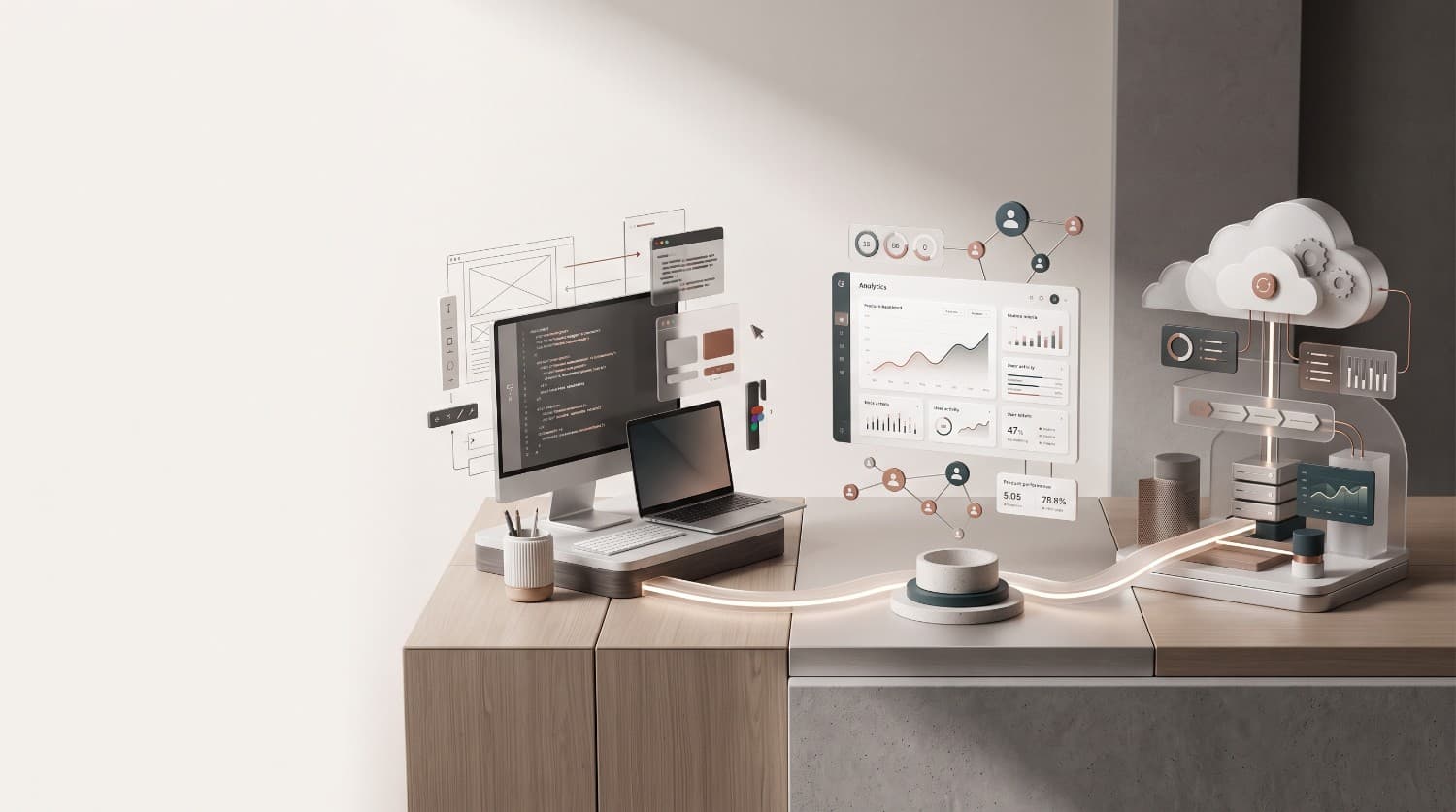
The “Good Enough” Epidemic: Why Craft Separates Memorable Work from Sameness
AI generators and generic component templates make it effortless to produce baseline digital work. When everyone can ship average UI in hours, obsessive craft is your only moat.